History
Kashubian Heritage of the Baltic Metropolis
From a medieval fishing village to the maritime capital of Kashubia — discover the centuries-old history, people, language, and living symbols of Gdiniô.
Medieval Origins
From Kashubian Fishing Hamlet to Maritime Giant
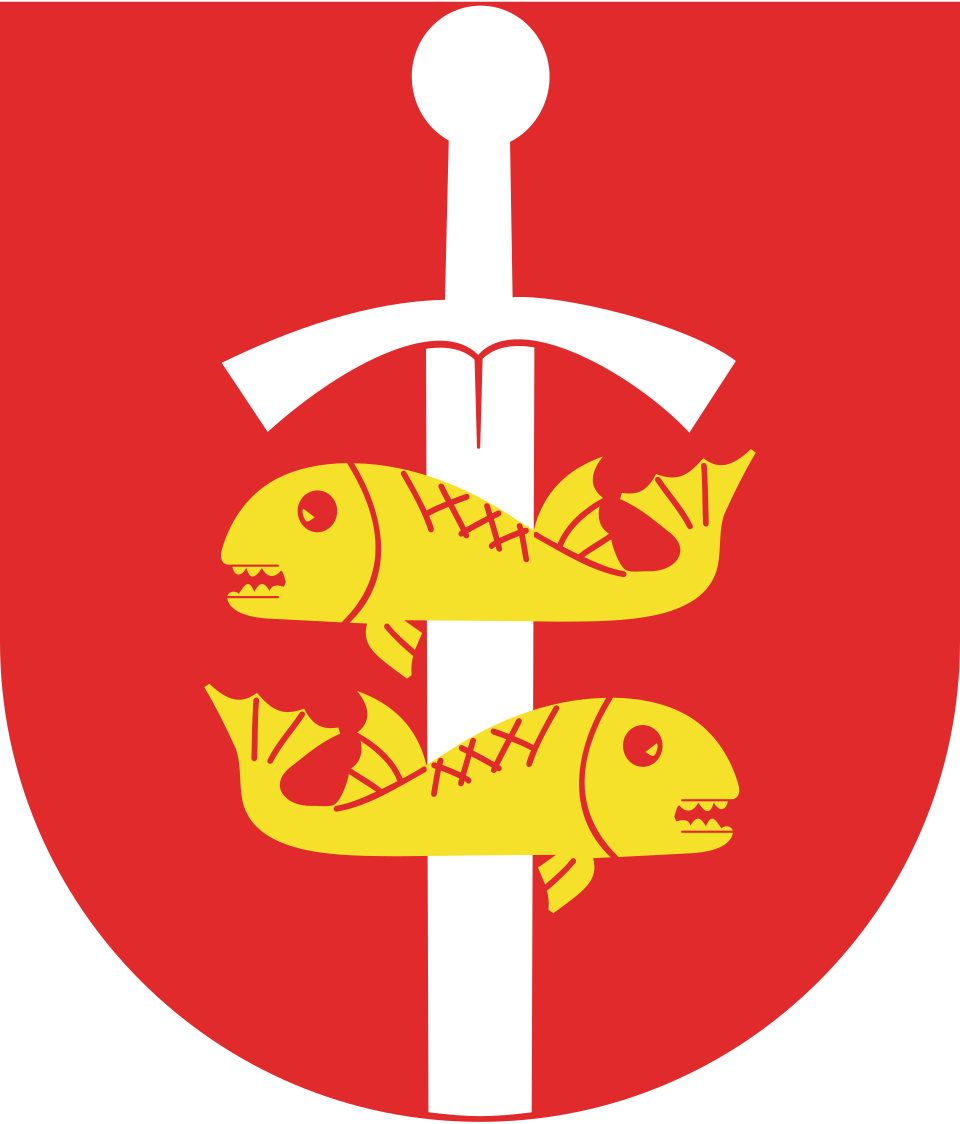
Long before Gdynia emerged as Poland's modernist 'city from sea and dreams', it was a humble Kashubian fishing settlement for over six centuries. The first historical record of the village named Gdina appears in a 1253 papal bull and episcopal decree by Bishop Michael of Kujawy. Inhabited by native Slavic Pomeranians (Kashubians), these lands flourished under the Slavic Samboride dukes and later within the Kingdom of Poland.
Generations of local fishermen lived in harmony with the Baltic Sea, organized in cooperative associations called maszoperie. Ancestral Kashubian families still prominent today — including Skwiercz, Radtke, Kurr, Grubba, and Schroeder — preserved their native tongue, Catholic faith, and maritime traditions across centuries.

Interwar Miracle
Kashubians and the Birth of Poland's Modern Seaport
Following Poland's Wedding to the Sea in 1920, the restored republic urgently needed sovereign maritime access. Chief engineer Tadeusz Wenda chose the lowland between Oksywie and Kamienna Góra. The rapid rise of Gdynia into a world-class seaport relied deeply on the cooperation of the indigenous Kashubian population.
The first Polish mayor of Gdynia, Kashubian elder Jan Radtke, welcomed engineers and government officials, including Minister Eugeniusz Kwiatkowski. Local fishermen shared vital hydrographic knowledge of coastal currents and shallows, while hundreds of local workers dredged docks and constructed the city. Author Stefan Żeromski lived in a cottage on Oksywie cliff, writing his acclaimed maritime epic The Wind from the Sea.
Patriots & Tribunes
Antoni Abraham — Champion of Pomeranian Freedom
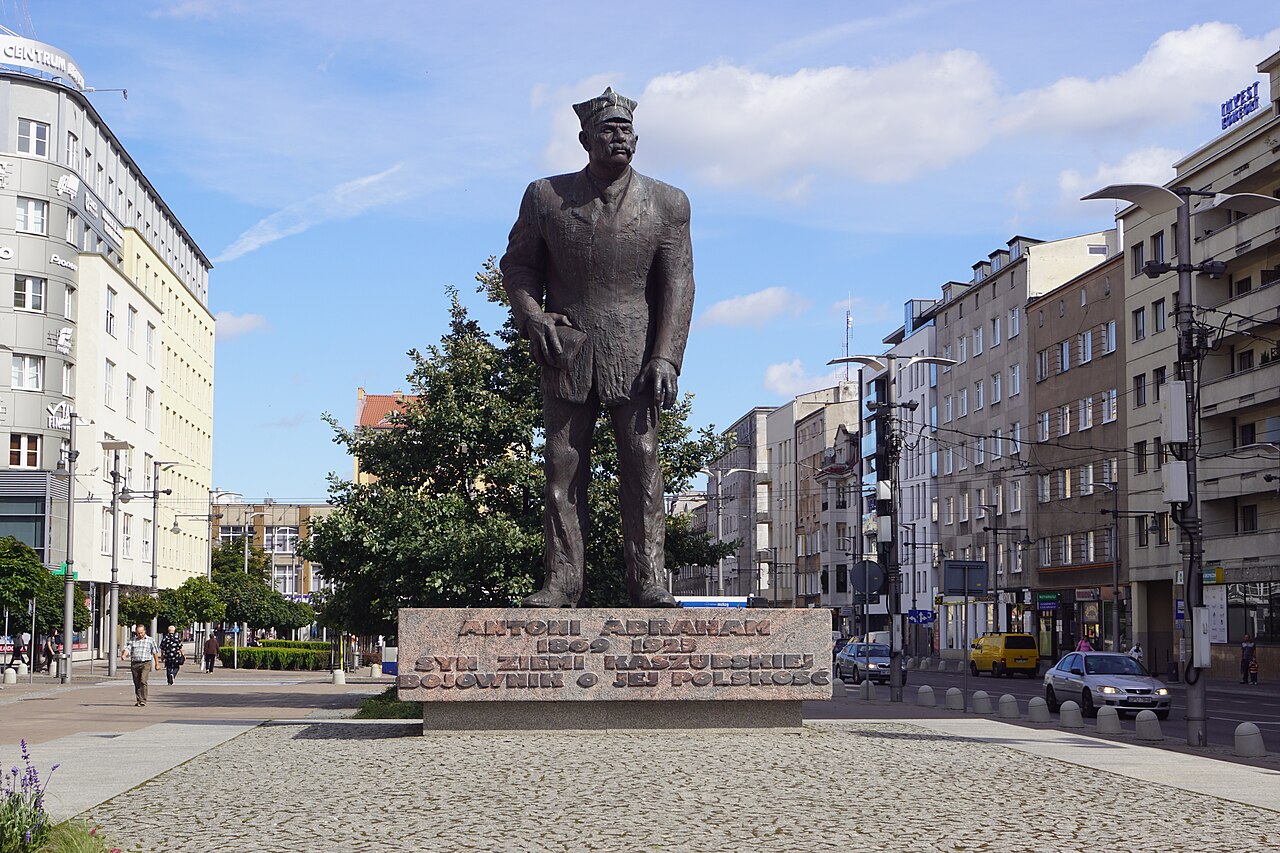
The premier symbol of Kashubian resilience was Antoni Abraham (1869–1923), affectionately dubbed the 'King of Kashubians'. A charismatic folk orator and writer, he traveled across Prussian-ruled Pomerania defying Bismarck's Germanization policies. In 1919, he traveled to the Paris Peace Conference in Versailles to demand Pomerania's reunification with Poland.
Abraham spent his final years in Gdynia, residing in a historic cottage on Starowiejska Street. He rests in the historic Oksywie cemetery. Today, his towering monument on Kashubian Square (Plac Kaszubski) stands as an enduring tribute to the city's indigenous roots.
City Landmarks
Kashubian Heritage Trail Across Modern Gdynia
Walking through Gdynia reveals vibrant historical and cultural milestones:
1 Kashubian Square (Plac Kaszubski)
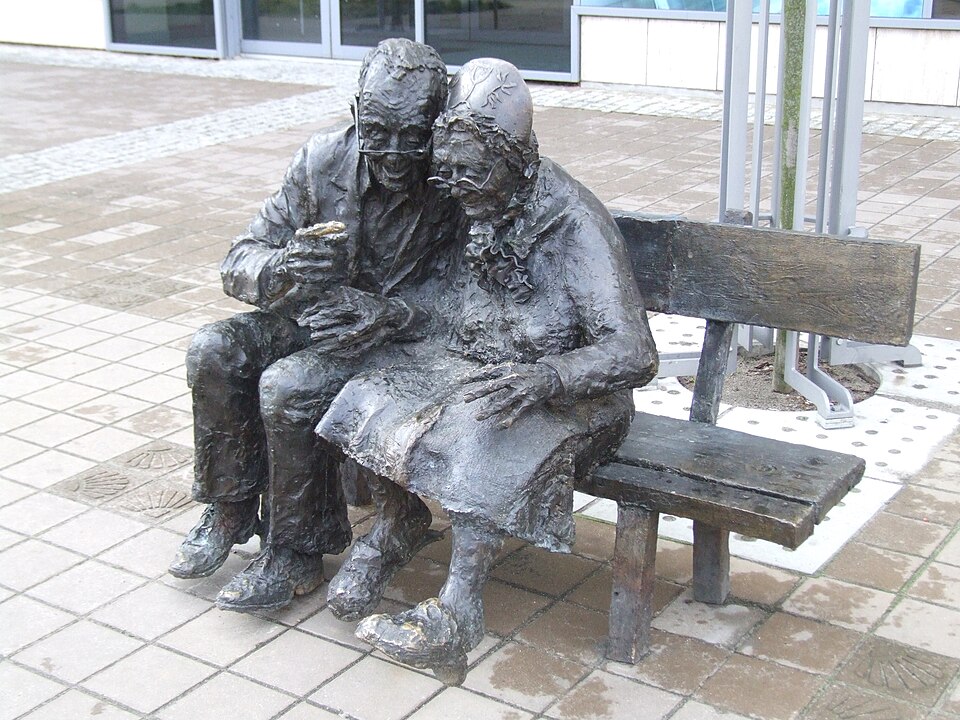
The historic marketplace of the ancestral village, featuring the Antoni Abraham Monument and the commemorative bench of Jakub and Elżbieta Scheibe.
2 Oksywie (Òksëwskô Kãpa)
Gdynia's oldest district, home to St. Michael the Archangel Church (12th c.) and the historic cemetery where Antoni Abraham and Bernard Chrzanowski are buried.
3 Abraham's Cottage on Starowiejska Street
An 18th-century preserved building in downtown Gdynia where Antoni Abraham lived, now an exhibition branch of the Gdynia City Museum.
4 Redłowo Cliff & Nature Reserve
A dramatic glacial coastline forming the scenic natural boundary of Kashubian coastal lands.
5 Gdynia Branch of the Kashubian-Pomeranian Association (ZKP)
The civic and cultural center organizing language classes, literary meetings, and regional festivals.
Language & Law
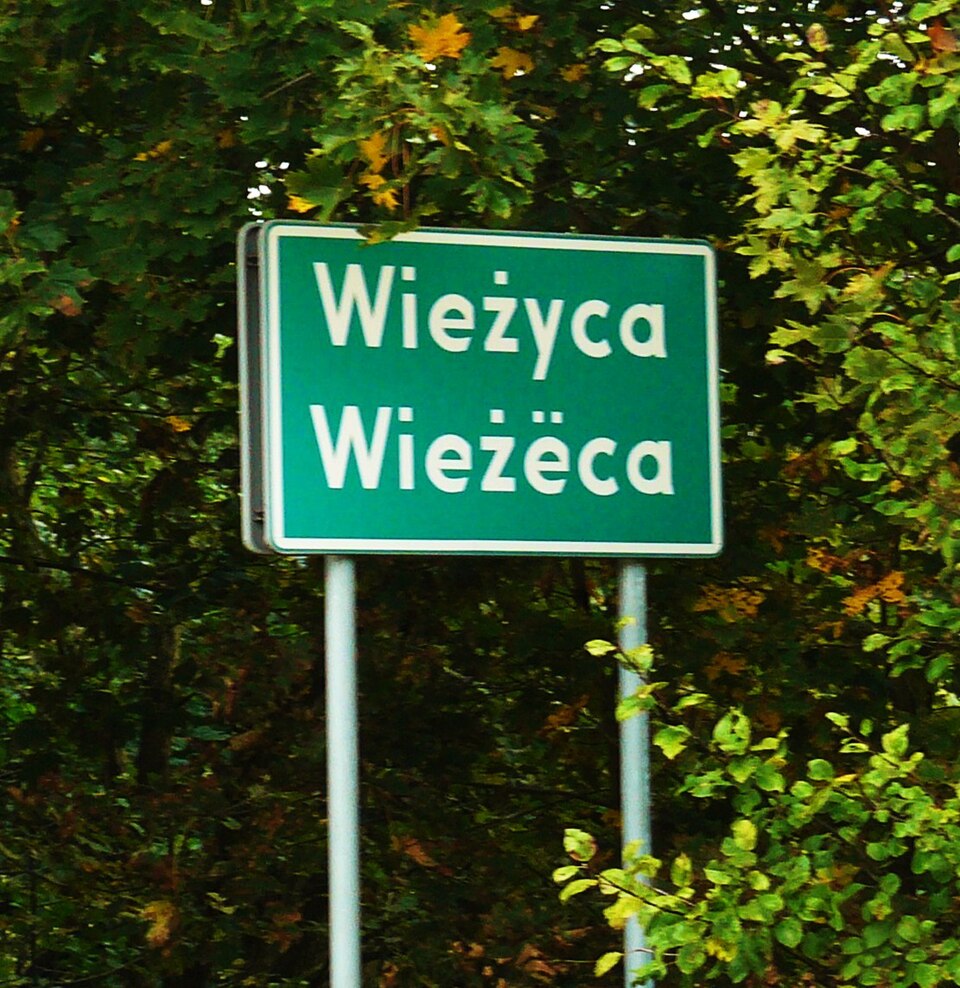
Kashubian Language & Bilingual Signs 'Gdynia / Gdiniô'
Kashubian is Poland's sole legally recognized regional language under the 2005 National Minorities Act. Featuring a distinct 34-letter alphabet and rich literature, it preserves archaic West Slavic linguistic traits.
A major historical milestone was the unanimous resolution of Gdynia City Council on August 26, 2026. City councilors voted 25-0 to introduce official bilingual road signs featuring the native name Gdiniô across all 10 main municipal entry corridors, following a public consultation with over 70% citizen support.
Living Traditions
Emblems, Embroidery, Folk Music & Snuff Ritual
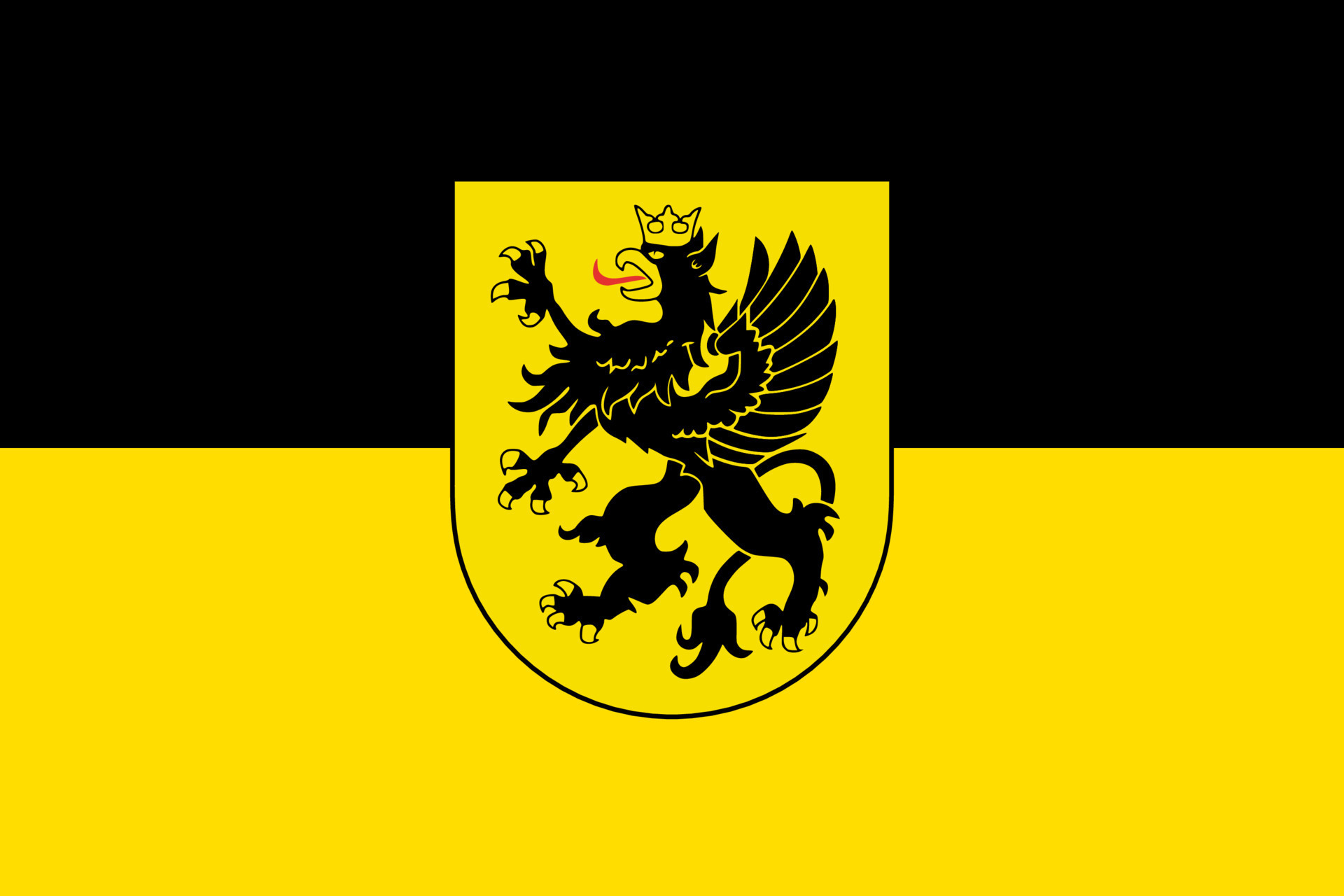
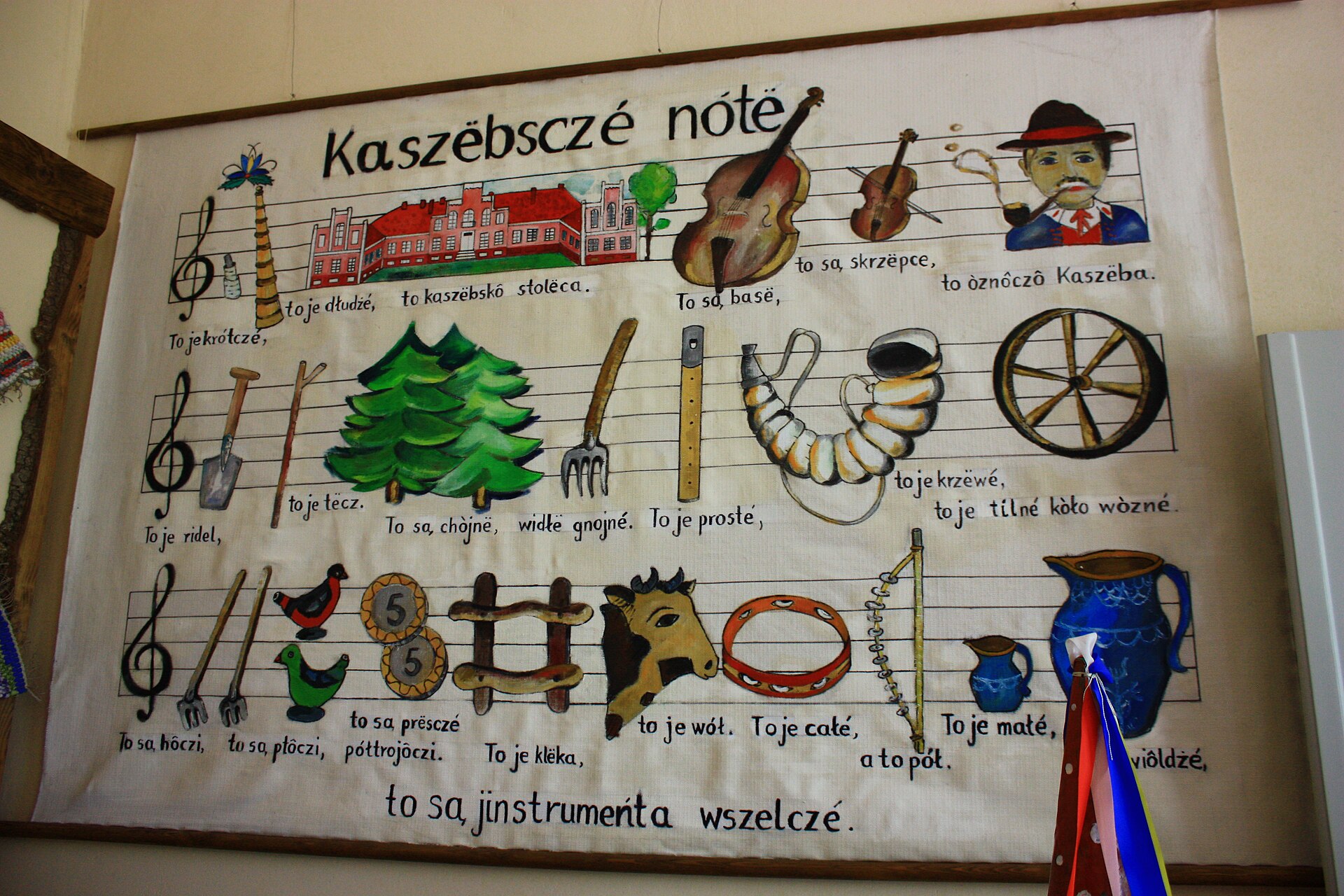
Kashubian identity thrives through vibrant cultural symbols: the black-and-gold flag with the Black Griffin, 7-color botanical embroidery, and iconic folk music played on the burczybas and devil's fiddle.
A cherished social tradition is sharing snuff (tabaka) from an ornate horn box with the fraternal toast: 'Chcemë le so zażëc!' (Let us share a pinch!).
Knowledge Base
Explore Our Full Kashubian Encyclopedia
Read in-depth articles covering every facet of Pomeranian and Gdynian history, culture, and language:
Noś kaszubską dumę — Gdiniô!
Wear your Kashubian pride every day! Discover authentic T-shirts, hoodies, and gifts with the Gdiniô emblem in our official shop.